But first, know the landscape
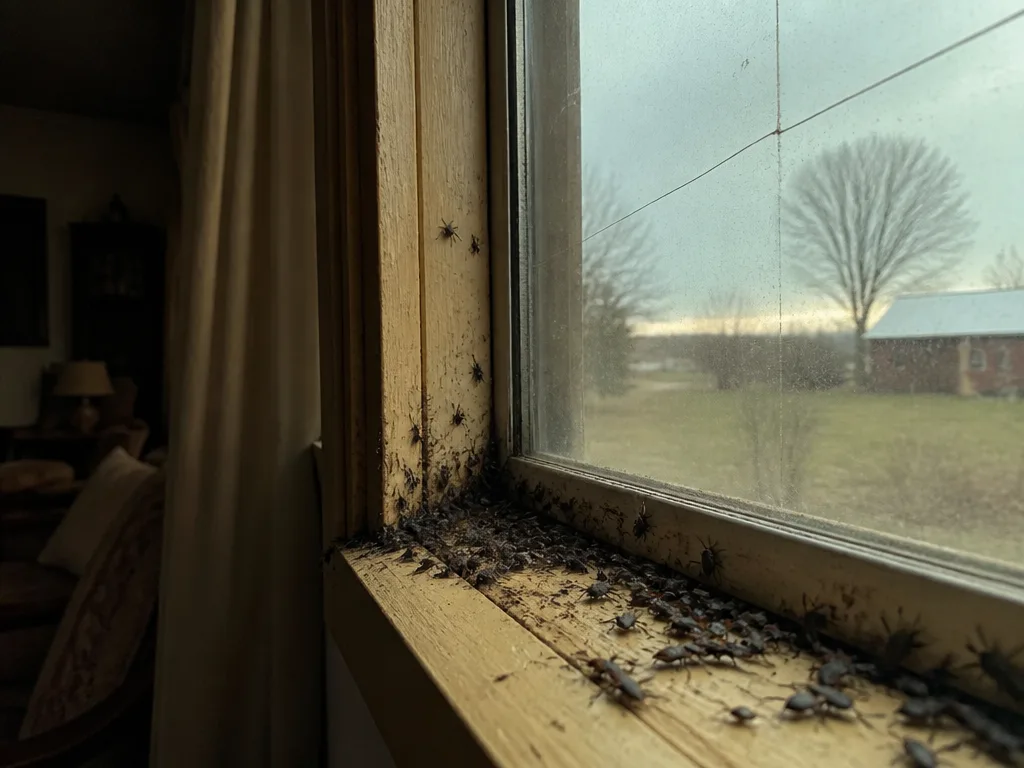
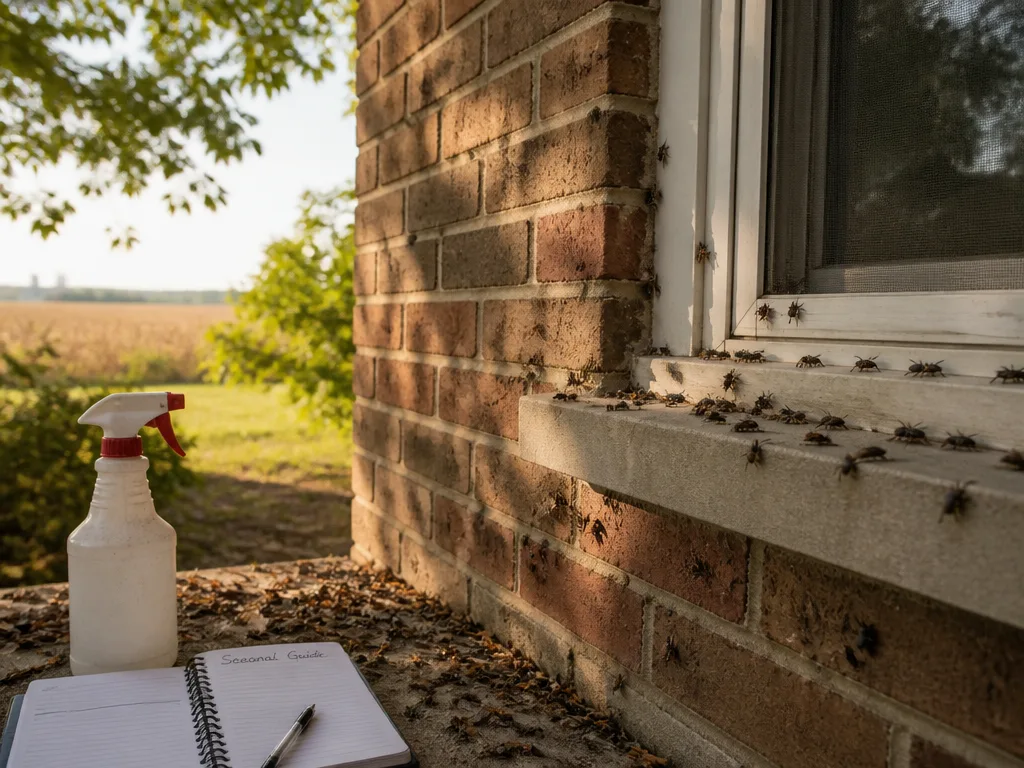
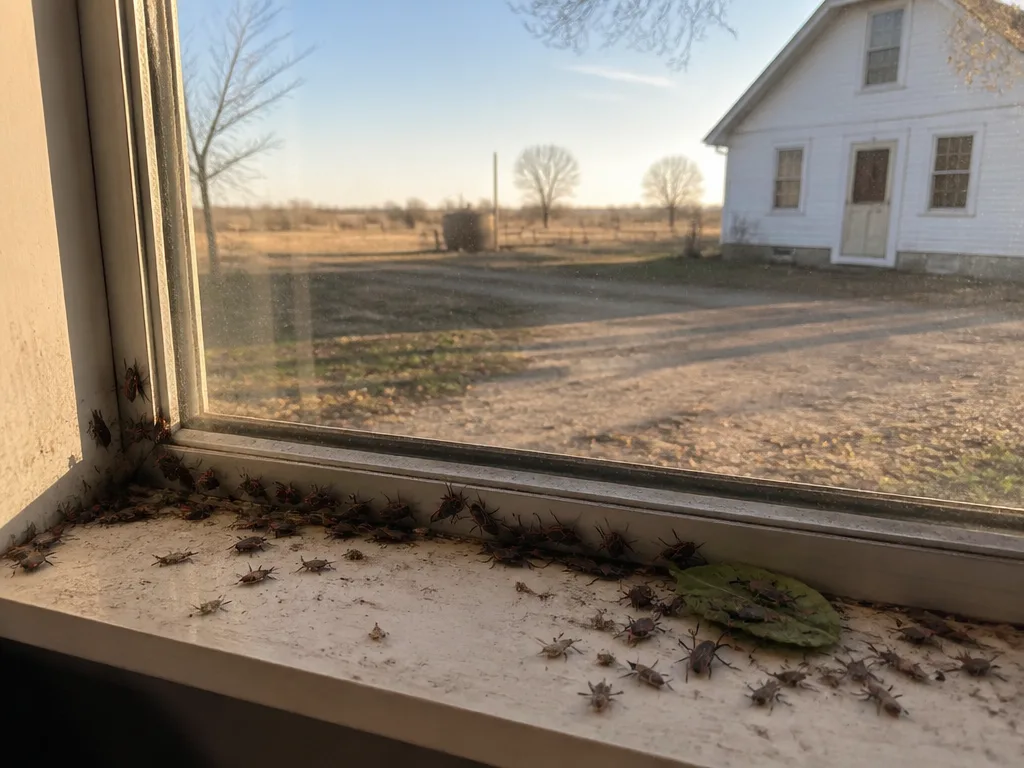
Boxelder bugs arrive in Nebraska with seasonal routines tied to warm days and cooler nights. You’ll find them near sunny exterior walls, near light sources, and at entry points. They don’t bite or spread disease, but large gatherings indoors can be a pain to deal with. The decision to DIY or call a pest control specialist hinges on the scope and the home’s specifics across Nebraska.
What you can handle yourself
Small, isolated sightings can usually be managed with a few careful steps. Start by reducing attractants: tidy up leaf litter close to the foundation, prune overhanging branches that shade entry points, and seal gaps around windows and doors. Use a vacuum to remove any insects you see indoors and dispose of the bag promptly.
Exterior maintenance matters too. Clean the home’s lower walls to remove residues that draw these bugs, and consider sealing vulnerable cracks around the foundation. If you have a known hot spot, a simple barrier approach with caulk and weather stripping can be effective for a season.
When a pro is a better bet
If the bug activity is recurring or if you notice clusters in multiple rooms, it’s time to bring in a pest control specialist. A pro can identify the precise entry routes and use targeted products or procedures that are appropriate for Nebraska homes and weather patterns. Our team at Nebraska Boxelder Bug Control works statewide, with crews in every Nebraska metro ready to assess and offer a plan that fits your home and budget.
Professional help is especially useful when you’re dealing with ornamentals near the home, shared walls, or multiple floors where a DIY approach may miss hidden routes. A preventive plan from a pest control specialist helps you avoid repeat cycles and keeps living areas comfortable through the seasons.
What to expect from a state-wide evaluation
A standard evaluation starts with a conversation about recent activity, followed by a thorough exterior check and a few interior checks where needed. The goal is to pinpoint entry points and address them while giving you practical steps you can take between visits. Across Nebraska, this approach helps families stay in control without guesswork.